
A few weeks ago, a subscriber wrote in to kindly implore us to review electric yogurt makers. “We go through at least one plastic Fage container a week, and there’s only so many we can save for food storage,” she wrote. “For the love of all things dairy, can you please review?”
It was a well-directed plea, as it would seemingly make sense for us to make a recommendation here. Not only are yogurt makers efficient machines, but fermenting milk into tangy goodness at home can be cost-effective and cut down on the environmental footprint of transportation, large-scale refrigeration, and plastic packaging that’s unlikely to ever get recycled.
I’ll spoil the ending here: We’re not going to review them. Why? Well, there’s the whole dairy thing. But the main reason is that you probably don’t need a separate device to do this well. You can buy an Instant Pot or any decent multicooker. These appliances can make yogurt and also braise, sauté, steam, pressure cook, and tackle a menu of other culinary tasks.
Now, let me be clear, I didn’t dedicate a newsletter to this question to put anyone on blast. I love hearing from readers. This query simply got my gears turning because there’s a broader lesson in the answer. Most single-use appliances and gadgets are hard to justify. Does that mean we’ll never recommend one? No. That’s where it gets messy.
We’re living in a period of overconsumption. My favorite stat to illustrate this point is that we’ve used up more resources in the last six years than we did in the entire 20th century. Kitchen gadgets, specifically, are a potent microcosm of this excess: hyper-specialized, convenience-driven, disposable.
The planetary costs of a tool you reach for daily amortize better than one used only a few times a year. That’s why we discuss break-even points—the number of uses needed to cancel out a product’s environmental cost—in many of our reviews.
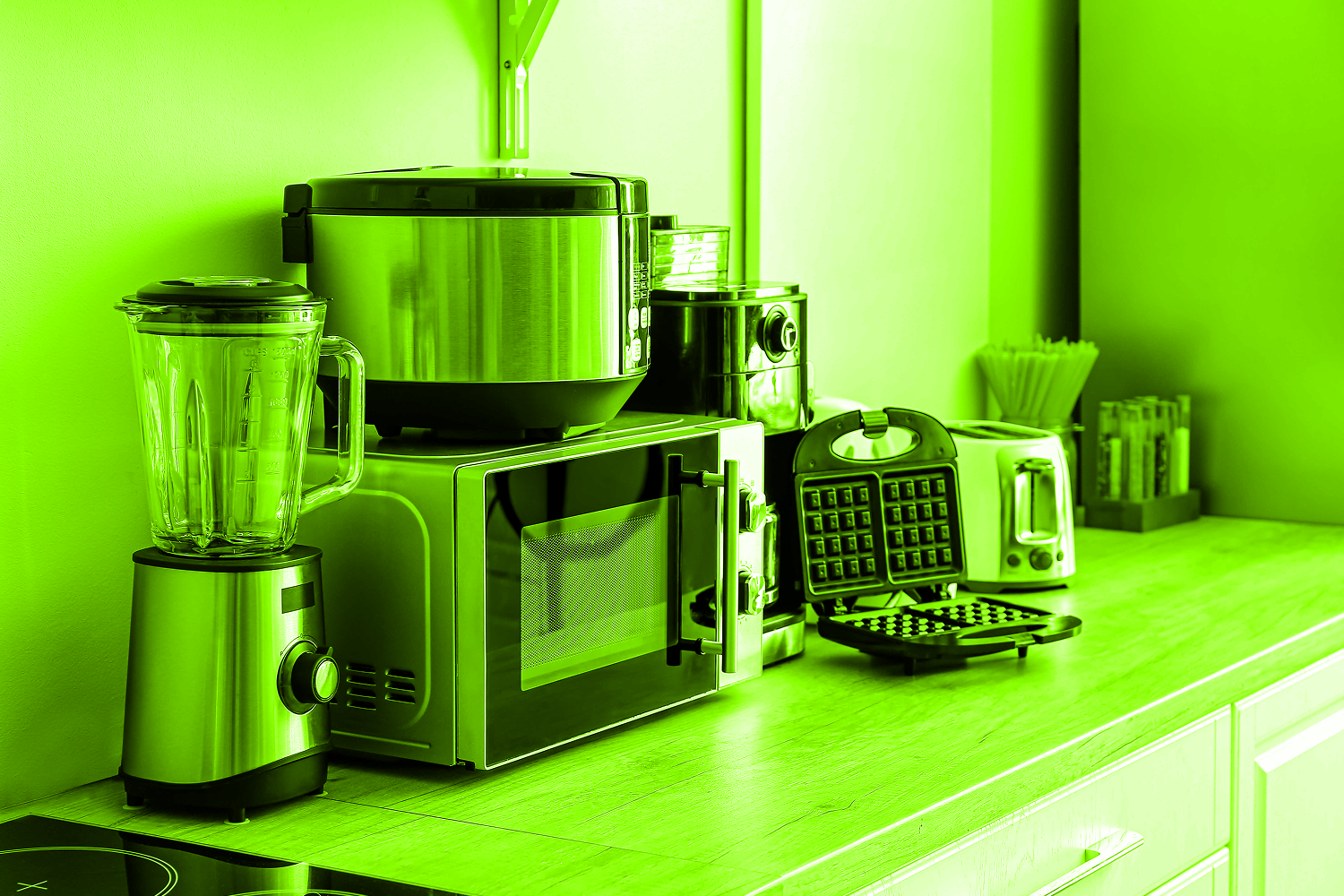
Chances are you’ve seen (or even own) an avocado slicer, a set of meat shredding claws, a garlic rocker, or a countertop quesadilla maker. Most of these, and so many more gizmos, end up in junk drawers or pushed to the back of the cabinet—used too rarely to justify their cost to your bank account and the Earth.
But Matt, you ask, then why did you just publish a review of soda makers? First, thanks for reading! Second, fair question. The difference lies in how often an item is used, how much waste it offsets, and whether its function can be reasonably replicated by something you already own. The planetary costs of a tool you reach for daily amortize better than one used only a few times a year. That’s why we discuss break-even points—the number of uses needed to cancel out a product’s environmental cost—in many of our reviews.
If you’re among the many U.S. households that guzzles a lot of fizzy beverages and therefore produces a sizable share of empty cans and plastic bottles, a soda maker may be a justifiable purchase. Unlike, say, a countertop quesadilla-er, a soda maker helps create something many people consume in high volume and would otherwise have no reasonable means to replicate. (In the case of a quesadilla-maker, it’s called a pan.) That’s the distinction.
We’ve been sold the idea that more tools make us better cooks. And there are more people hocking things than ever before. But collecting gadgets isn’t a replacement for learning techniques and trusting your senses in the kitchen. A wooden spoon, a heavy-bottomed pot, a few pans, a solid knife—these are essential for a reason.
This doesn’t mean never indulging in a specialty tool or rejecting delight for stringent or performative minimalism. I love to cook—and I can attest that using a pair of meat claws to Wolverine through some pulled pork is fun and efficient. If your family consumes a shit-ton of bagels and knife skills are an issue, then save your fingertips and buy that bagel slicer. I have cherry trees in my backyard, so a pitter earns its drawer space.
What it does mean is staring at your Amazon cart and asking yourself pointed questions: Will what’s in here make my life better? Or just busier? Will I use it often enough to earn the energy and materials it took to make?
So no, we won’t review yogurt makers right now. They might make sense for some of you, but the need is too personalized, too specialized. We might change our tune one day—if the demand grows, or if by some dairy-loving miracle a company can make one that pays back its footprint in incredibly short order.
But an Instant Pot, thanks to the way it chugs through tasks, is a smarter and long-lasting appliance. In fact, many believe Instant Brands, the company behind the cooker, went bankrupt because the product was so good that it eliminated the need for people to buy more from the company. I won’t unpack what that says about our late-stage capitalistic society. But I will keep talking about the tension between convenience and sustainability—and dialing in on how to shop in a way that respects your needs and the Earth’s.