

We know there are more than a handful of ways we can make a major dent in our individual shares of planet-warming emissions: flying less, driving less, and eating less meat are among the biggies. A new study in Nature Communications finds that the world’s top emitters—about 23.7% of the total population—can collectively stop 10.4 gigatons of CO2 from hitting the atmosphere per year by adopting less-emitting habits. That’s about one-quarter of annual global CO2 emissions.
One less-common tactic the authors found? Stop trashing old appliances. Initiatives that boost “sharing and repairing” of dishwashers, refrigerators, ovens, laundry machines, and more can reduce per capita household emissions by 3%—which might sound small, but small wins add up. Besides, it’s not hard to do. The obvious thing to do here is call a pro when something breaks, but warranties from manufacturers and retailers can be confusing and unreliable—and repair techs can be pricey and sometimes pretty iffy. Here’s five other ways to share and repair appliances.
1. DIY basic fixes
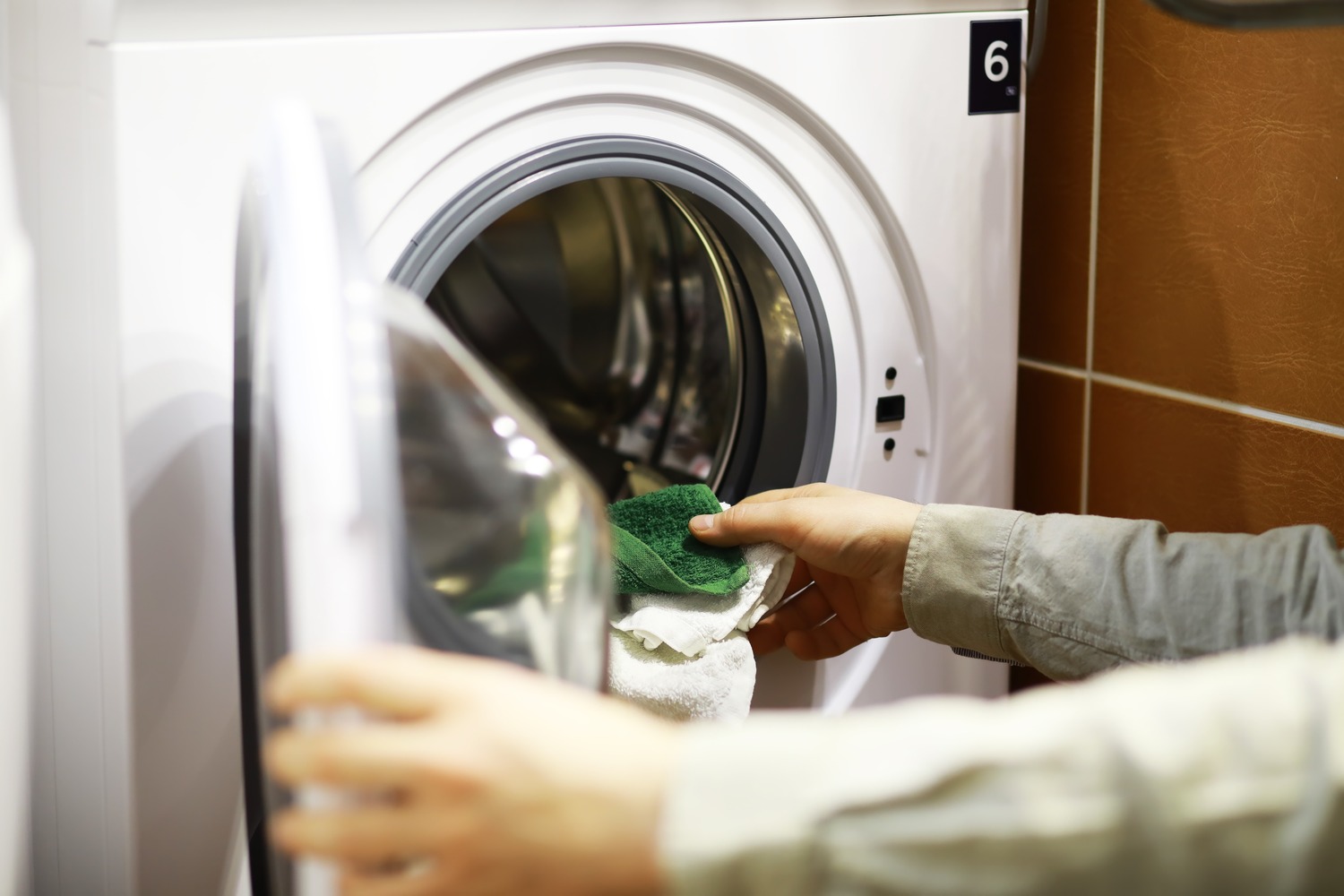
Even people who don’t consider themselves expert DIYers can tackle some common appliance problems. Some easy fixes: leaky dishwashers, clogged garbage disposals, and washing machines that refuse to spin. If you’re more experienced, check out the guides from Repair Cafe on fixing everything from kitchen appliances to electric heaters. You can also try following along with repair videos, like those from Bearded Appliance Repair. Proceed with caution, though: If a product is still under warranty, working on it yourself could void that contract.
2. Find a local repair group
In many areas, expert volunteers will help fix broken appliances during free repair events. The group Repair Cafe, for instance, has more than 3,600 chapters in dozens of countries, so they’re the best place to start your search. You can also look for local “Share and Repair” groups; lucky for Brits, the biggest one is in the UK, but they can be found all over—it’s as easy as plugging “repair group near me” into Google. Some local governments, such as ones in Vancouver and Austin, also host share and repair events.
3. Share with your community
In some areas, you can borrow gear for short-term use from tool libraries for free or at a low cost. Many lenders also provide workspace, workshops, and classes. Of course, borrowing isn’t an option for things like refrigerators and dishwashers, but it can be great for items you only need occasionally: like a saw for a carpentry project or loudspeakers for a party. To search for a local tool library, check the directory at localtools.org. If you come up empty there, plug “library of things” into Google. If you can’t find one, consider starting your own.
4. Donate working appliances
Not only can appliances dumped in landfills leach toxic chemicals, but getting rid of a functional fridge or dryer is a waste of all the emissions that went into making it. Many donation centers, such as Goodwill and The Salvation Army, will take most working appliances. You can also consider the Habitat for Humanity ReStore, which specializes in home improvement equipment. Just be sure to call first to see if they’ll take what you’ve got—and to ask if they offer pickup. If you’d rather give directly to an individual, try listing items on Facebook Marketplace, NextDoor, Craigslist, or a local Buy Nothing group. (If an appliance is dead, use this directory from the EPA to find a responsible recycler.)
5. Support right-to-repair laws
Frustratingly, it can be pretty difficult to break open your devices and fix them yourself, which in many cases is by design from the manufacturer—and, again, is often a one-way trip to a voided warranty. That’s why it’s so important to advocate for state-level right to repair policies: These pieces of legislation prevent manufacturers from withholding information and spare parts needed for repairs by DIYers and independent techs. The grassroots movement behind these policies is gaining momentum: As of March of this year, right to repair bills have been proposed in all 50 states and passed in at least six of them.