
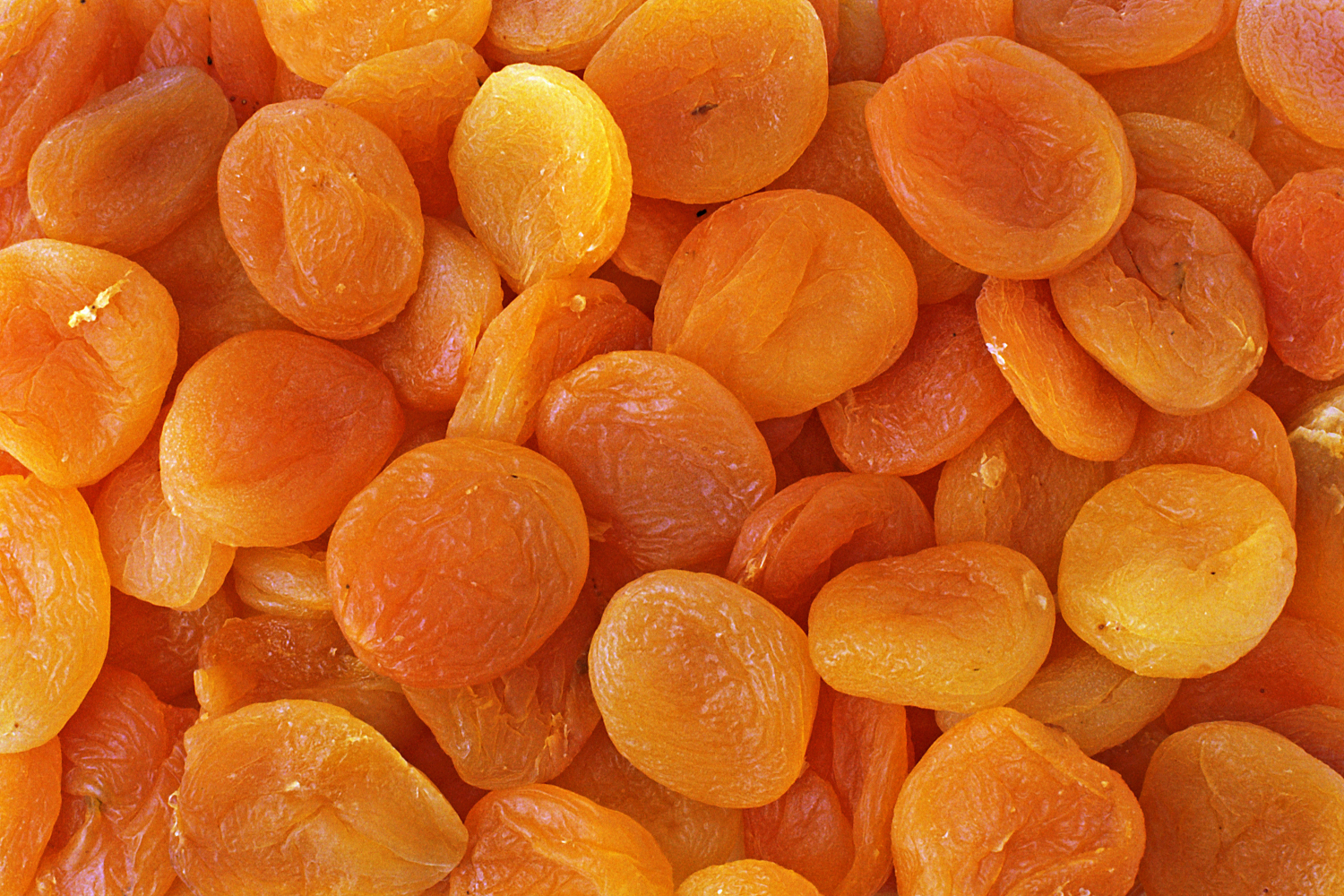
At first glance, getting plenty of iron on a plant-based diet seems simple: A 100-gram portion of cooked white beans contains more iron (3.7mg) than the same amount of ground beef (1.94mg) or a drumstick (0.99mg). Ditto other beans, along with the whole legume family, dried fruits like apricots and prunes, and fortified cereals. A half-cup of Grape-nuts comes in at 16.2mg, which is 90 percent of a non-vegetarian female’s iron for the day.
Wait: “non-vegetarian”? That’s right, that simplicity is deceptive. While it’s easy to find non-animal sources of iron, people on plant-based diets need to consume a lot more of it than their carnivorous counterparts. The recommended daily intake for meat-eaters is 8mg for males and 18mg for females. (Pregnant, it’s more like 27.) The recco’s for vegetarians are almost double: 14mg for males, 32mg for females, and 48mg for a pregnant person.
Iron’s essential because it helps create hemoglobin, which carries oxygen from our lungs to tissues throughout our bodies, supports muscular and cellular function, and various other tasks that keep us kickin’.
The intake chasm for herbivores is because there are two types of the mineral: heme, which comes from animal sources, and non-heme, from plants. Guess which one is more efficiently absorbed by our bodies—a.k.a., bioavailable. That would be heme. Take heme out of the equation, and you need to bump up your iron sources to make sure your body’s taking in enough.
Fortunately, iron is everywhere. In addition to the usual suspects mentioned above, there’s a lot of it in nuts, seeds, tofu, potatoes, some leafy greens, and everyday carbs like bread, rice, and pasta—many of which are fortified.
Making sure your body soaks it up takes a little more know-how. Vitamin C boosts iron absorption, so pairing iron-rich foods with a squeeze of lemon or an orange (or even some broccoli, which has more C than citrus) is a savvy non-heme insurance policy. On the flipside, despite their reputation, spinach and chard are somewhat vexing: They’re full of iron but also contain other compounds that might put a damper on the good stuff getting into your system.
10 non-heme heavy hitters:
- Lentils: 6.59mg per cup
- Dried apricots: 6.18mg per cup
- Sun-dried tomatoes: 4.91mg per cup
- Soybeans: 4.5mg per cup
- Peas: 3.52mg per cup
- Raw asparagus: 3.42mg per 10 spears
- Kidney beans: 3mg per cup
- Cooked beet greens: 2.74mg per cup
- Pumpkin seeds: 2.38mg per quarter-cup
- Pecan halves: 2.37mg per quarter-cup