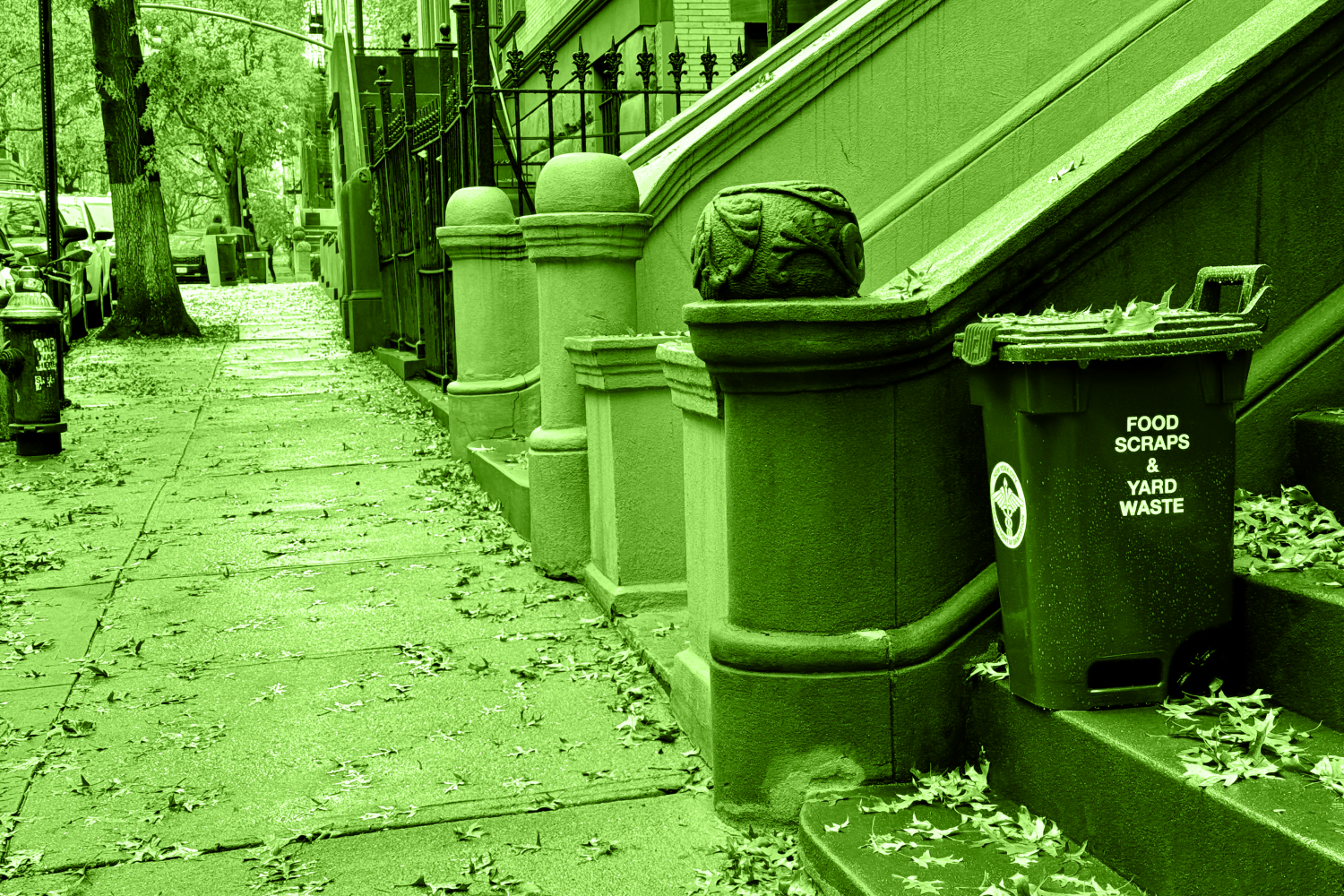

The average American sends 1,600 pounds of trash to the landfill each year, about a third of which could have met a much better fate. Composting is among the top solutions for curbing the wasteful trend—and the release of the potent greenhouse gas methane from landfills. So, cities across the U.S. have started rolling out programs that make it easy (sometimes even mandatory) to collect those scraps. Now the trend is getting one of its biggest tests yet: New York City just expanded its curbside compost pilot program to all five boroughs. By April 2025, New Yorkers will be fined if they trash food and yard waste rather than separating it out for compost.
Here are the three big things you need to know about the program.
It’s the largest of its kind
The city now provides compost collection to just about all its residents alongside its established trash and recycling services. That’s 8.5 million people or around 3 million households. Considering only about 15 million households had access to curbside compost in the entire U.S. at the end of the year, that’s a giant jump. Do a little math, and if every single person in New York composted the average amount of food waste tossed out each year (at 325 pounds per person), the program could theoretically divert around 2.7 billion pounds of methane-leaking food waste from already chock-full landfills.
Curbside compost is simple, mostly
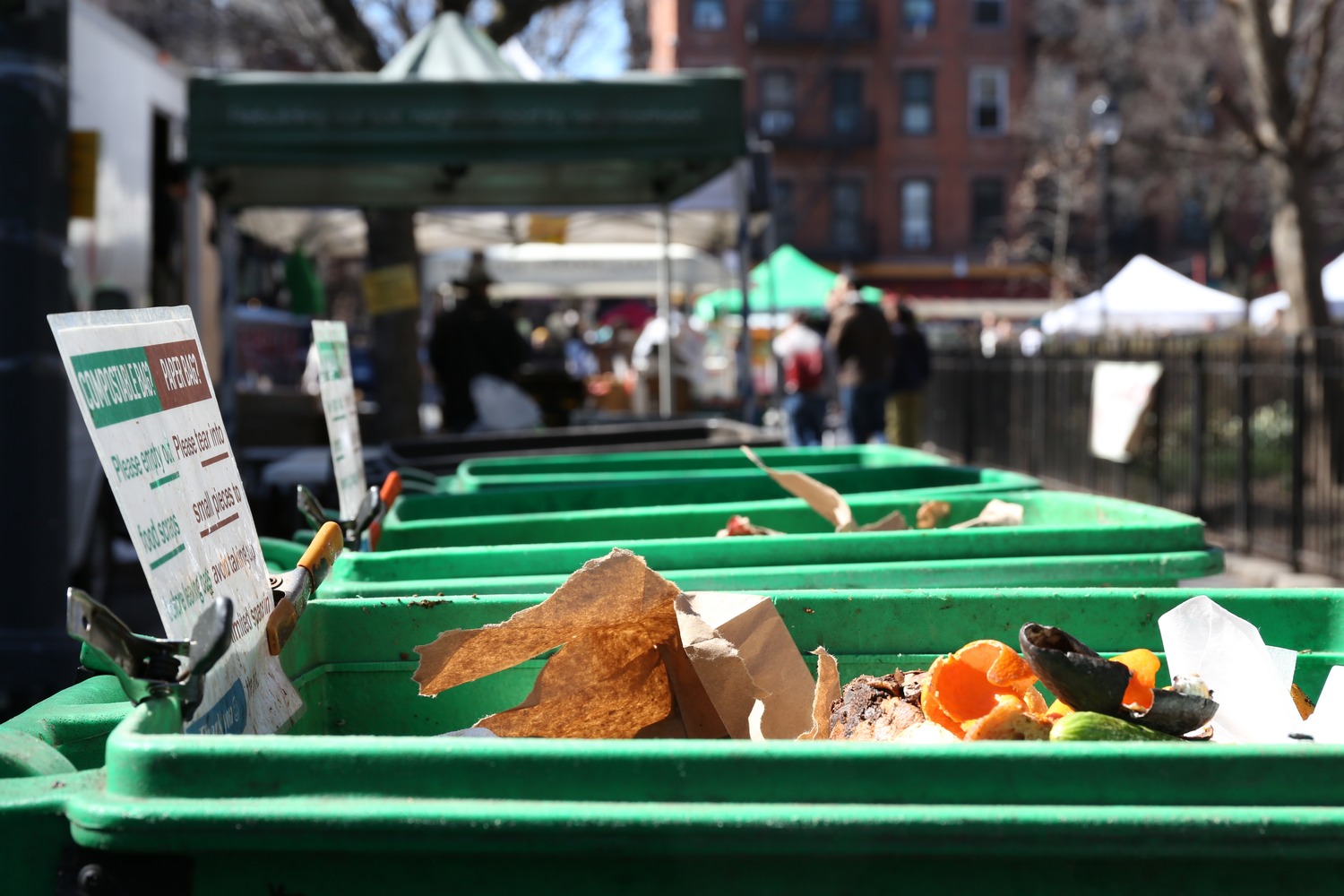
Just like you place trash and recycling bins on the street for pickup, the same happens with curbside composting. Cities then transport even the trickiest waste (think stuff like prepared foods, cheese, meat, and even pizza boxes) to composting facilities. In New York, about 60% of the resulting compost is sold to landscapers and 40% is given away to gardeners.
But scaling up projects can be tricky. Take, for instance, Madison, Wisconsin, whose program folded in 2021 because it was too labor-intensive and food and yard waste was often contaminated with non-compostable materials. Programs can also be expensive and require public education to convince residents to sort food waste from other trash. Still, other major locales are also moving in this direction. California is paving the way with a law that requires curbside compost and Washington state is following in its footsteps.
‘Compost’ can be a misnomer
NYC has branded its new program as curbside composting, but that’s not completely true. A majority of the food and yard waste gathered doesn’t become compost form but rather is diverted to energy production. The bio-waste is turned into a slurry that produces methane, which is then used like natural gas. Although this is better for the environment than having that gas burp out at the dump, burning it for energy still emits CO2. And some environmentalists worry that this cheap method of energy production will prevent cities from investing in renewables.
Even so, they see the habits the program stands to instill in residents as an important milestone. “Step No. 1 is getting New Yorkers to separate their organics,” Eric Goldstein, a senior attorney with the Natural Resources Defense Council, told Inside Climate News. “Step No. 2 is ensuring that the separated food scraps and yard waste go to their highest and best and most sustainable use—which is composting.”