

Americans eat more meat than the global average—a total of nearly 230 pounds per person per year. Replacing half of our meat-based protein with alternative sources could slash the country’s carbon output by up to 177.8 million metric tons of CO2 a year, according to a new report from the Good Food Institute (GFI), a nonprofit that promotes alternatives to animal products. That’s more than the emissions of all domestic U.S. flights in a year.
So, how does cutting back on carnivory slash emissions by such a large degree? According to the report, these potential gains come even before you consider masses of methane-filled cow farts. They’re about diverting the land used to raise and feed livestock for more climate-friendly purposes.
The climate-land-livestock connection
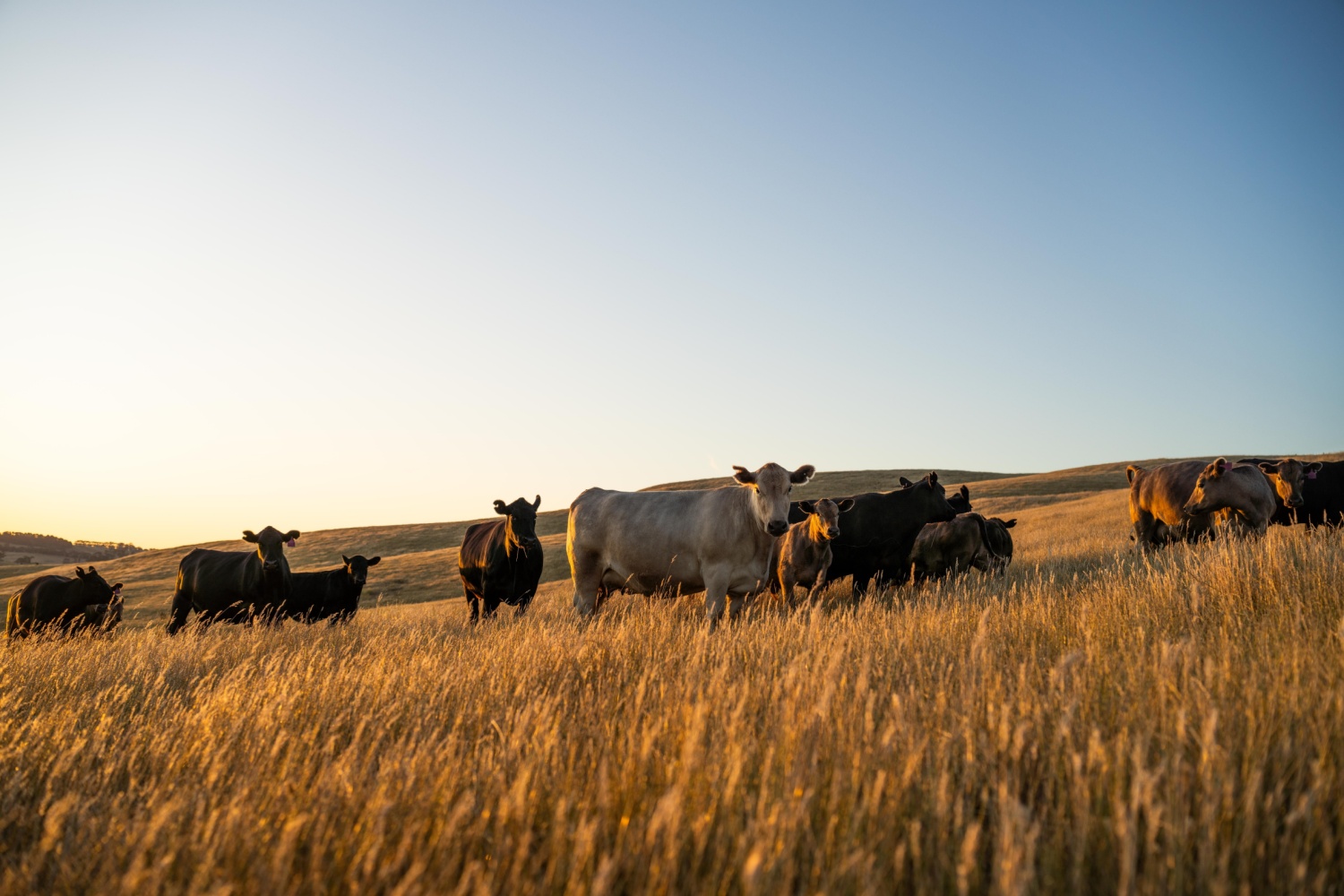
Around half of all land in the U.S. is used to raise livestock and grow crops that feed them. Replacing half of our meat consumption with alternative proteins would free up some 47.3 million acres—an area about the size of South Dakota, according to the GFI report.
Restoring this farmland to natural ecosystems is key, the report argues. Plants and fungi from restored ecosystems need to pull CO2 from the atmosphere to grow, benefiting the climate and ecosystems. The potential impact varies, but the largest carbon sequestration potential is in the forest, riparian, and wetland-rich South and Midwest.
“The report rightfully acknowledges the key role of protein sources in [land restoration]. We can produce protein—which we are anyway overconsuming in many cases—in less land-intensive ways,” says Peter Verburg, an environmental land use expert based in Amsterdam, who was not involved in the report. As protein-obsessed as we are, there are indeed planet-friendlier ways to get the nutrient: mainly with plant-based foods like soy and peas, but also via technologies like precision fermentation (basically brewing proteins the way you’d make beer) and lab-grown meat.
Even greater gains
The GFI report estimates a conservative amount of emissions reductions from land use transition, because it only takes into account carbon that plants slurp from the atmosphere. It doesn’t consider reductions in the other greenhouse-gas impacts of meat production—like cow burps. There are 87.2 million cows in the U.S., each of which burps, farts, and poops out between 154 and 264 pounds of methane per year. Methane is a greenhouse gas that is shorter-lived than CO2 but has 28 times more climate-warming potential over a century.
“This does not mean we all have to be vegans; it is just a matter of consuming much less animal protein,” Verburg says. “Of course, there are many health benefits of less animal protein consumption. It is one of those few things in sustainability science with a win-win-win situation: environment, land use, and health.”