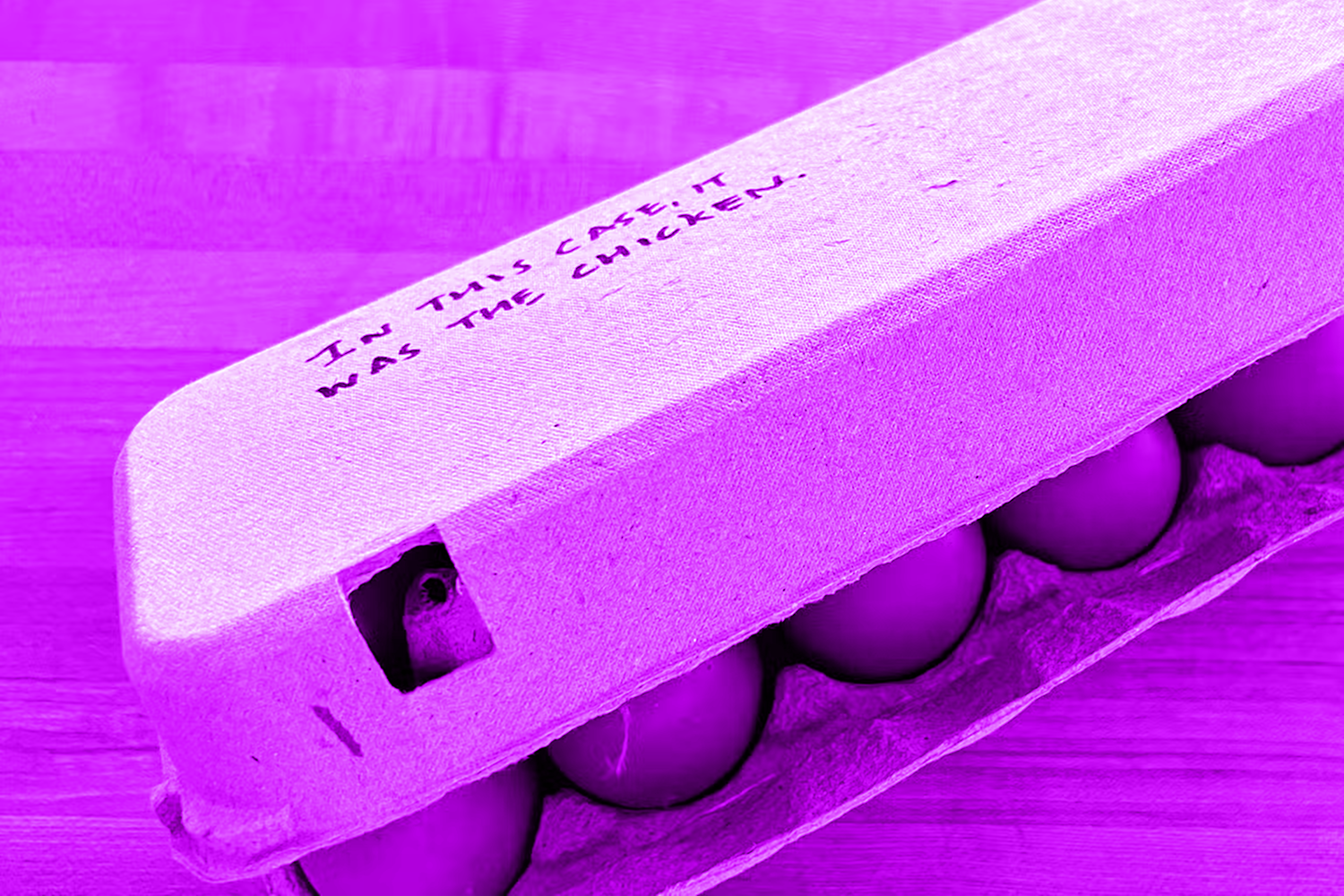

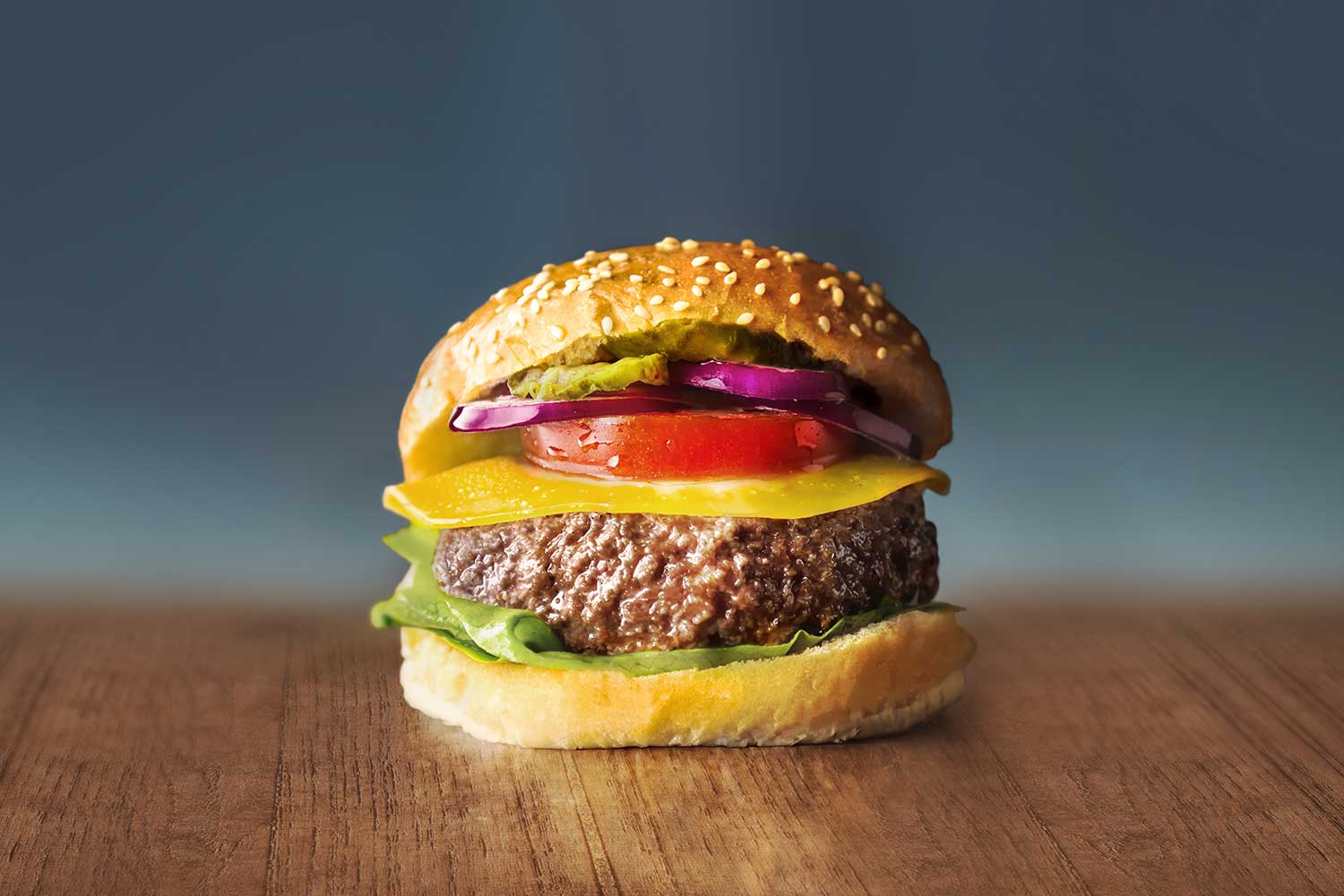
Cultured (aka “lab-grown”) meat can be found anywhere from swanky restaurants to fancy cat food. Innovators and environmentalists alike have touted the idea for roughly two decades as a solution for meat lovers who care about the planet. Of late, however, politicians and policymakers have been moving to ban and even criminalize its production and sale. While it’s true that cultured meat isn’t perfectly menu-ready, the prospect of a real burger without the slaughter is a hopeful one, despite many statements to the contrary. Here’s the truth about some of the most common jabs thrown at this “man on the moon” meat.
Want more insights and tips about addressing the climate crisis?
Subscribe to the one5c newsletter here
If they say: “Lab-grown meat is expensive”
You say: True, but perhaps not for long. In 2013, the first cultured burger cost $325,000 to make. But with dozens of companies around the world now investing in this research, getting the cost of a burger down to around $10 is in sight. While this is still about four times the price of getting your beef from a bovine, it will only get cheaper as the systems to create the meat achieve scale, which some analyses put as early as 2030.
If they say: “‘Franken-meat’ is unsafe and unethical”
You say: The safety issue is a red herring. The U.S. Food and Drug Administration approved lab-grown meat produced by several companies for human consumption. What’s more, these products are “bio-identical” to real meat, meaning they’re molecularly the same. The ethics issue is a matter of personal judgment. Cultivated meat is technically meat––just made in a way that doesn’t require industrialized slaughter of animals. Whether you prefer chicken nuggets from a lab over ones from fowl raised on a farm is up to you.
If they say: “Lab-grown meat is not a viable climate solution”
You say: Not right now, but if producers scale up carefully, its footprint would pale in comparison to traditional meat. Several peer-reviewed studies show that cultured meat may have the potential to reduce emissions and land and water use by 80%. But increasing production with care is key. A recent (though not yet peer reviewed) study by U.C. Davis suggests that lab-grown meat could be worse for the environment than conventional animal agriculture if it relies on energy-intensive ingredients and a dirty energy mix. Pig-free bacon may one day be a staple, but for now the best climate solution for ordinary eaters is slimming down meat consumption and throwing out less food.