

U.S. electronics are trashing developing countries
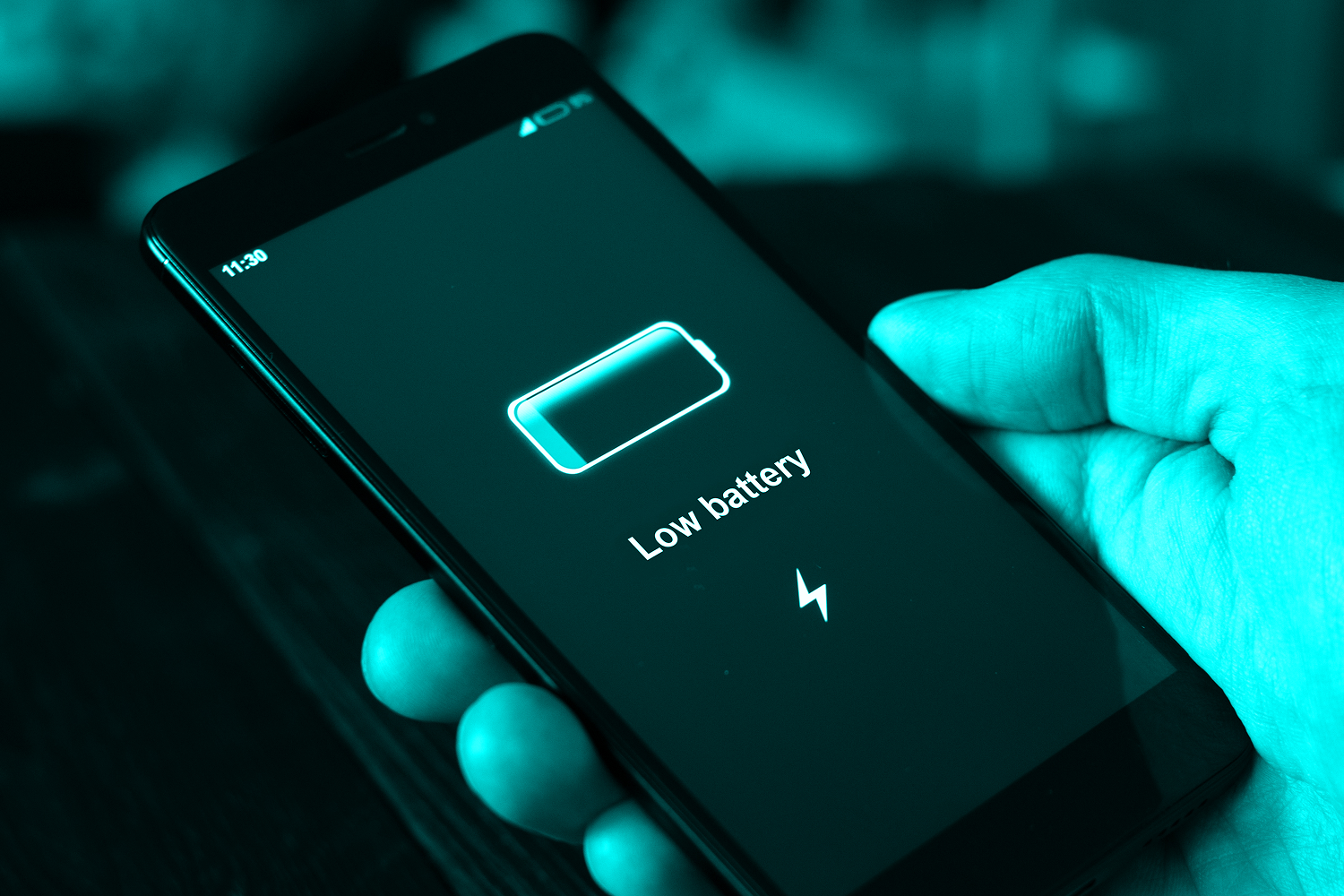
According to the U.N., e-waste is the world’s fastest-growing trash stream, and, as is common with a lot of rubbish, the developed world is exporting its problems. The flow of electronic waste from the U.S. is causing what a watchdog group calls a “hidden tsunami” in parts of Asia and the Middle East. The two-year investigation, conducted by Seattle-based Basel Action Network, found that roughly 33,000 metric tons of used electronics leave U.S. ports every month. The companies responsible, known as “e-waste brokers,” act like middlemen, sending collected wares to outfits in developing nations where they get processed or, often, piled up. When contacted by the Associated Press, several of the brokers involved questioned the report’s findings, but experts in the global movement of waste said they weren’t surprised in the least.
What you can do: Keep the gear you have up and running as long as possible—and resist the urge to rush to upgrade. Most phones, for example, will last at least 7 years. Here are habits for keeping yours in good working order.
Beyond Meat isn’t done quite yet
The world of fake meat has been quite the rollercoaster, and there’s no better illustration of the twists and turns than Beyond Meat, best known for its popular plant-based burgers. Riding a wave of enthusiasm about Earth-friendly eats and food innovation, the firm’s sales hit $465 million in 2021, but, amid political pushback against anything under the climate umbrella and a growing public distaste for processed grub, that number took a dive. Sales were down to $326 million last year, and its trajectory this year has been so tumultuous the company’s stock achieved meme status last week. (That’s bad.) Funny thing is, though, Beyond was having a good week otherwise: It announced its products would hit shelves in 2,000 Walmart stores, which is a major expansion of its retail footprint.
What you can do: Watch this space, because Beyond has made it clear that it’s open to feedback—literally. Over the summer they announced Beyond Ground, a simple four-ingredient mix more protein than beef, and have since rolled out the Beyond Test Kitchen to invite customers into its product-development process. Four flavors of Ground are on offer in the first wave of trial eats.
Climate on the curriculum
Score a win for climate literacy. When the next school year kicks off in Illinois, teachers at all grade levels will be required to incorporate climate into their lesson plans. It’s the seventh state to put such a law on the books. There is, however, a not-so-small hangup: funding. Even though the state passed the requirement, it has not yet allocated any cash towards training or lesson-plan development. The good news, reports Amber X. Chen for Inside Climate News, is that the nonprofit SubjectToClimate is stepping in with a online hub packed resources, including more than 300 lesson plans, to fill in the gap. The outfit has set up similar hubs in eight other states, and helps teachers think creatively about how to embed climate into a range of subjects—from visual arts to social studies.
What you can do: Encourage your local school district to prioritize climate education, and it’s also a good idea to keep an eye for any movement from organizing groups like the North American Association for Environmental Education. You can also sign up to get alerted about volunteer opportunities with Subject2Change.
Help the U.S. fix its rooftop solar hangup
A big reason you don’t see a lot more solar panels gleaming from American rooftops is cost: All-in, the average home is looking at around $30,000 or more for a typical system. To level set, the same setup in Germany runs $10,000. The difference-maker? A patchwork of local permitting rules, inspections, and utility requirements delays installations and drives up costs. A recent analysis by clean-energy access nonprofit Permit Power shows that simplifying installation regulations—through digital permitting software, remote inspections, and automatic grid interconnections—could bring the costs down enough for 18 million more households to tile their roofs with suncatchers. In total, that could save Americans an estimated $1.2 trillion over 25 years. According to Heatmap News, addressing issues at the state level rather than waiting for federal action could accelerate the adoption of solar.
What you can do: Help states get their regulatory houses in order. The first step in sparking change is getting a sense where reform is most needed; to do that you can hop in on Third Act’s Simplify Solar campaign and help collect information about permitting practices across the U.S.