

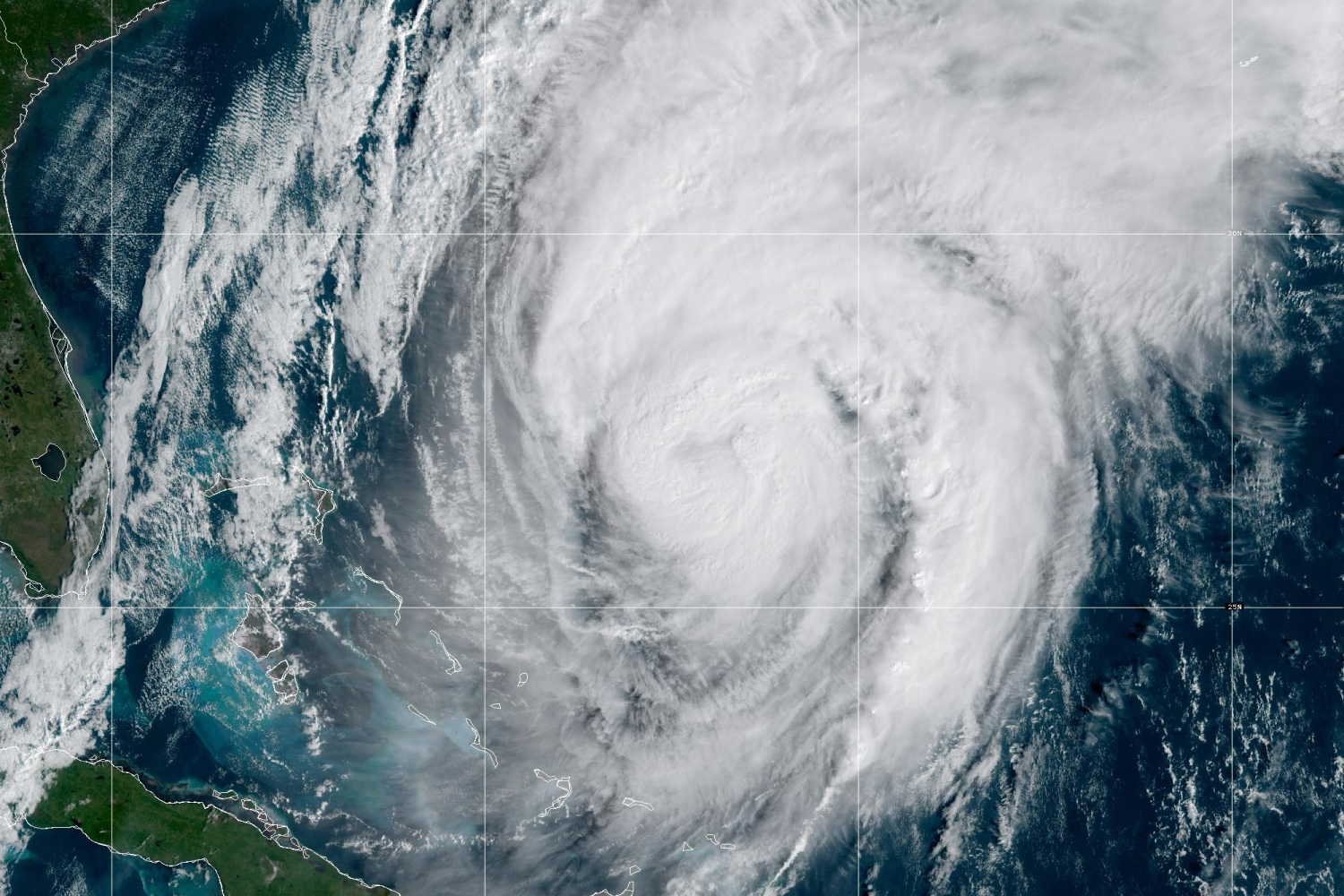
Jamaica is facing a long period of recovery after Hurricane Melissa made landfall on Tuesday as a category 5 storm—the season’s largest so far. With winds sustained at 185 miles per hour, it’s among the most-intense hurricanes on record in the Atlantic Basin. Melissa lashed Cuba, Haiti, and the Bahamas, and is now a category 2 storm on route to Bermuda. Analysts at Climate Central have said that the warmer ocean waters that fueled the storm's intensity were made 500 to 900 times more likely by climate change.
For the second year in a row, the World Series is featuring a key off-field player: the fossil fuel industry. The logo for the 76 gas-station chain, part of Phillips 66, tops the scoreboard at Dodger Stadium. It’s one of baseball’s most-promiment examples of "sportswashing,” a practice in which companies try to build trust with the public by associating themselves with their favorite teams. The alignment is one activists are pushing to end, writes Elliott Neggin at Money Trail, the same way baseball banned cigarette ads due to smoking’s impact on public health.
Existing buildings in 12 major U.S. cities can store 134,863 million metric tons of carbon, according to a new study out of Notre Dame—the latest datapoint that favors preserving and rehabbing existing structures over leveling them to build anew. Wood, naturally, holds onto its own innate carbon, but concrete can continue to accumulate CO2 over time through a natural process called (wait for it!) concrete carbonation. The researchers caution, however, that these gains are only helpful if cities enact building policies that prioritize renovation over demolition.
Human-caused climate chaos is causing one death every minute, according to a comprehensive new analysis from The Lancet. The authors attribute the rise in mortality to dangerous heat, air pollution, wildfires, and the spread of climate-fueled diseases. Addressing this, they note, is well within governments’ grasp: Cutting back on coal burning, for instance, has saved some 400 lives a day over the last decade.
Connecticut and Maine are teaming up to streamline the development of new wind and solar projects. The two New England states plan on pooling their funds so they can better lure developers, land competitive rates, and capitalize on renewable energy incentives that will wind down at year’s end. According to Canary Media, the pair-up could help both states meet their climate goals faster and serve as a model for more unified climate stewardship at the state level.